Machine Vision Knowledge Base
Knowledge
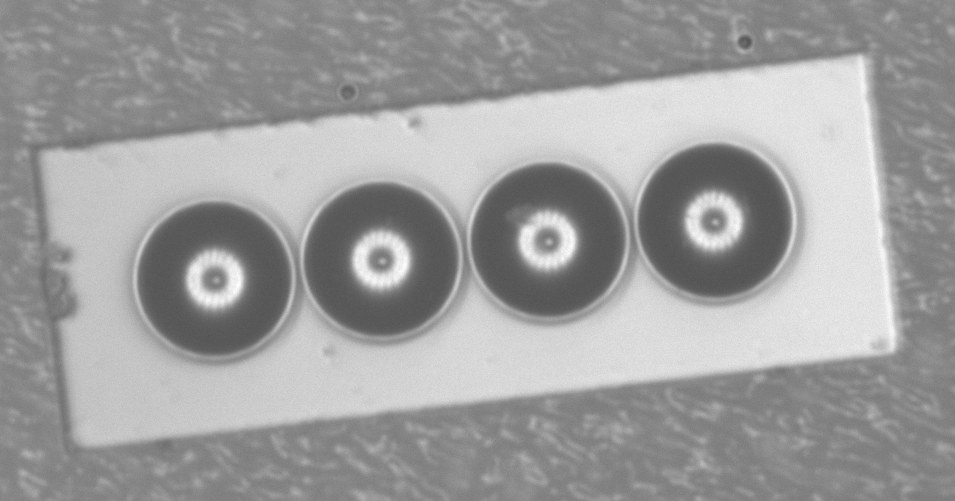
V-Groove and Fiber Array (FAU) End-Face Inspection: Telecentric and Microscope Imaging Options
What a V-groove / FAU end-face inspection must show and which optics fit each scale: coaxial telecentric imaging for the array overview, zoom + APO objective (total magnification = zoom x objective x 0.55) or microscope optics for single-fiber detail. Illustrated with four real camera images of a 4-fiber V-groove sample.
Inline Measurement Cycle Time: How Many Stations Do You Need?
How to calculate inline measurement cycle time and station count: takt time vs cycle time, the per-part time budget, availability, worked examples for 2,000 parts per hour, and six common errors.
Machine Vision Light Source Colour: Wavelength Selection and Photolithography Yellow Light
How to choose machine vision light source colour and wavelength: same-colour vs complementary light, monochrome and colour camera pairing, and how to turn a photolithography yellow-light requirement into a testable specification.
Machine Vision Light Source Selection: Point, Ring, Telecentric Parallel and Coaxial
How to choose a machine vision light source: reflected vs transmitted light, and point, ring, telecentric parallel and coaxial types, with published POMEAS specifications for beam diameter, working distance, wavelength and controller.
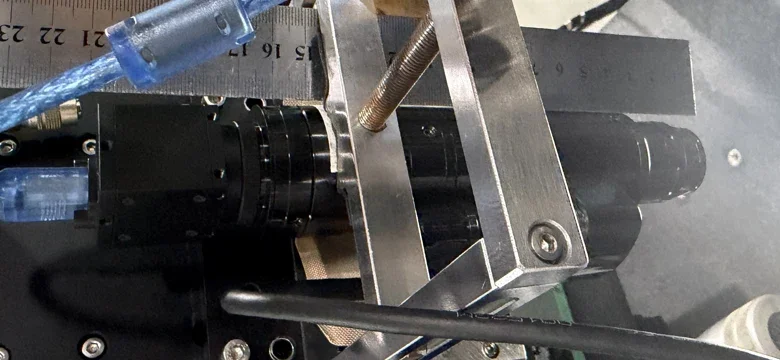
Motorized Zoom Lens for AOI: Magnification Change Without Downtime
AOI needs a wide find view and a fine verify view from one camera. How motorized zoom lenses change magnification between recipes, and how magnification repeatability is verified on the line.
Telecentric Measurement Lighting: Backlight vs Coaxial vs Dark-Field
Choose illumination for telecentric measurement: transmitted backlight vs coaxial vs dark-field, beam-diameter matching, worked examples and the fields to record.
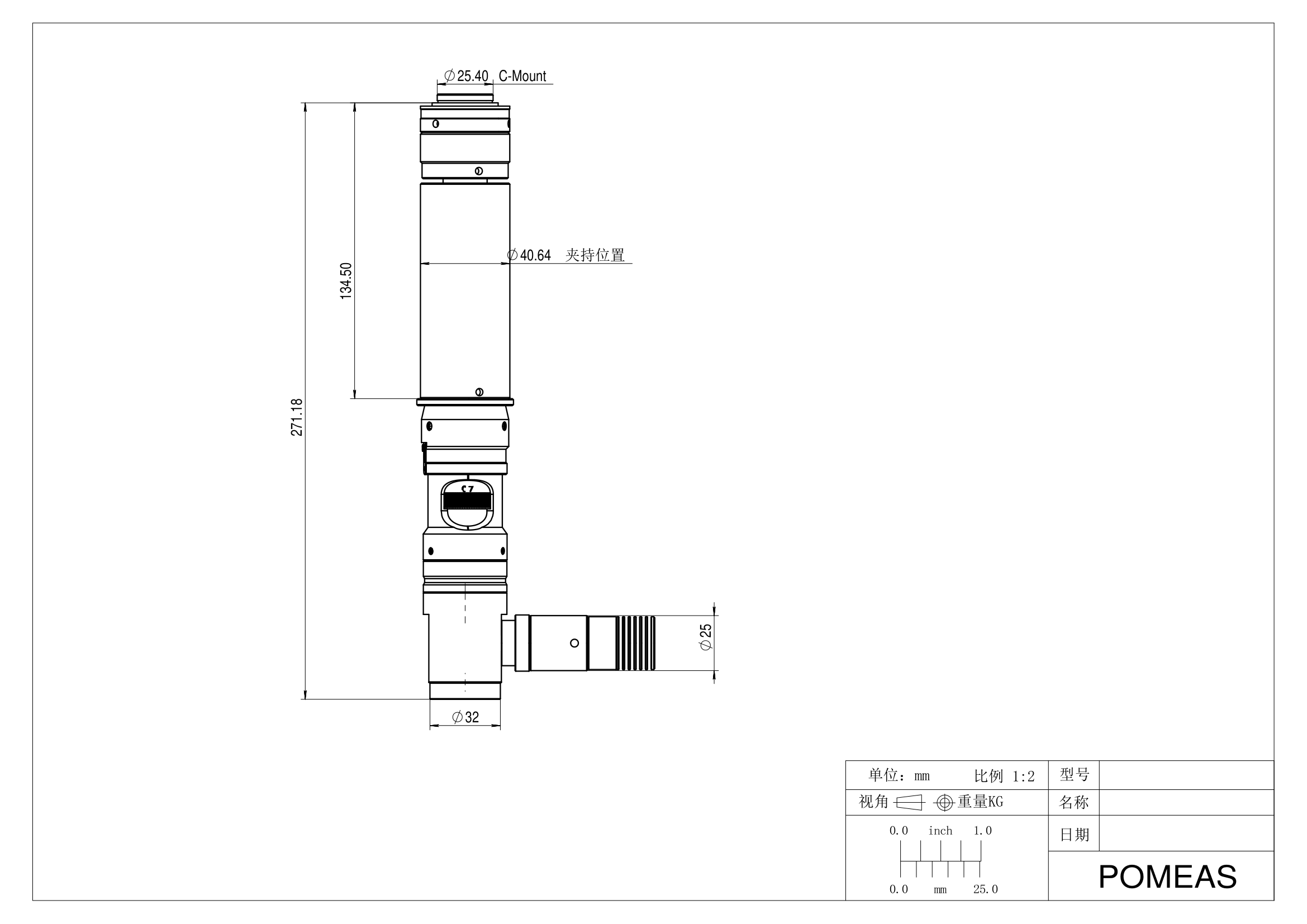
Fiber Connector End-Face Inspection Case: Zoom Lens with 5X APO Objective and Yellow Coaxial Light
A delivered case: a fiber connector manufacturer images the connector end face with a 0.7-4.5X zoom lens stacked on a 5X APO objective. Total magnification about 12.4X, measured working distance 65 mm, yellow coaxial illumination. Includes the mounting drawing and the selection takeaways.
Motion Blur in Machine Vision: Exposure Time and Conveyor Speed
How to calculate and control motion blur in machine vision: the blur formula, object-side pixel size, acceptable blur in pixels, shutter type and strobe lighting.
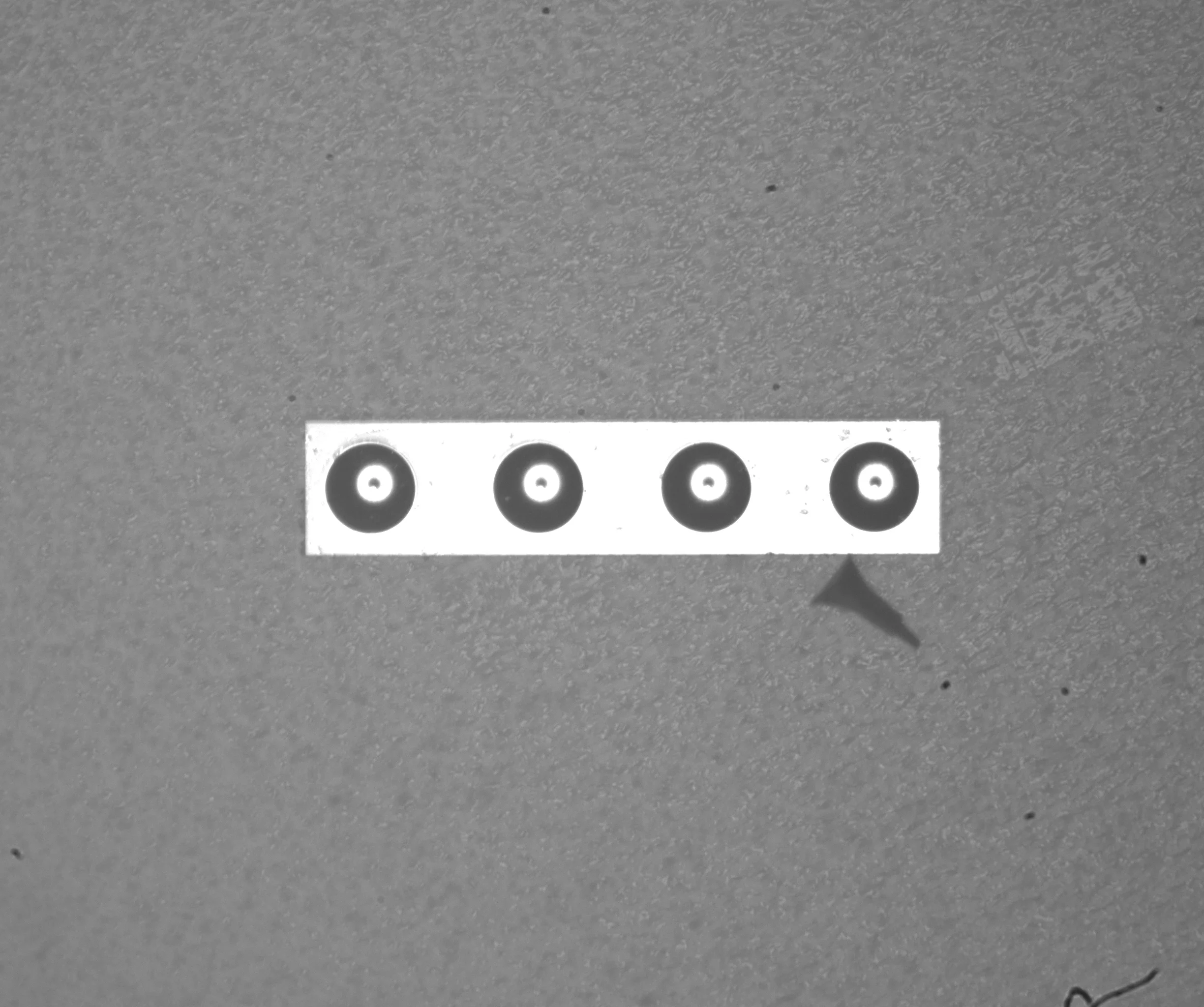
Fiber End-Face Inspection Lighting: White vs Yellow
White, yellow or blue for a fiber end face? Compare contrast, diffraction limit and axial color by defect type, plus coaxial and dark-field tables.

Subscribe to Our Newsletter
Simply enter your email to receive the latest news and insights from Pomeas. Stay connected with Pomeas and be the first to discover new innovations in optical excellence.