Porduct Details
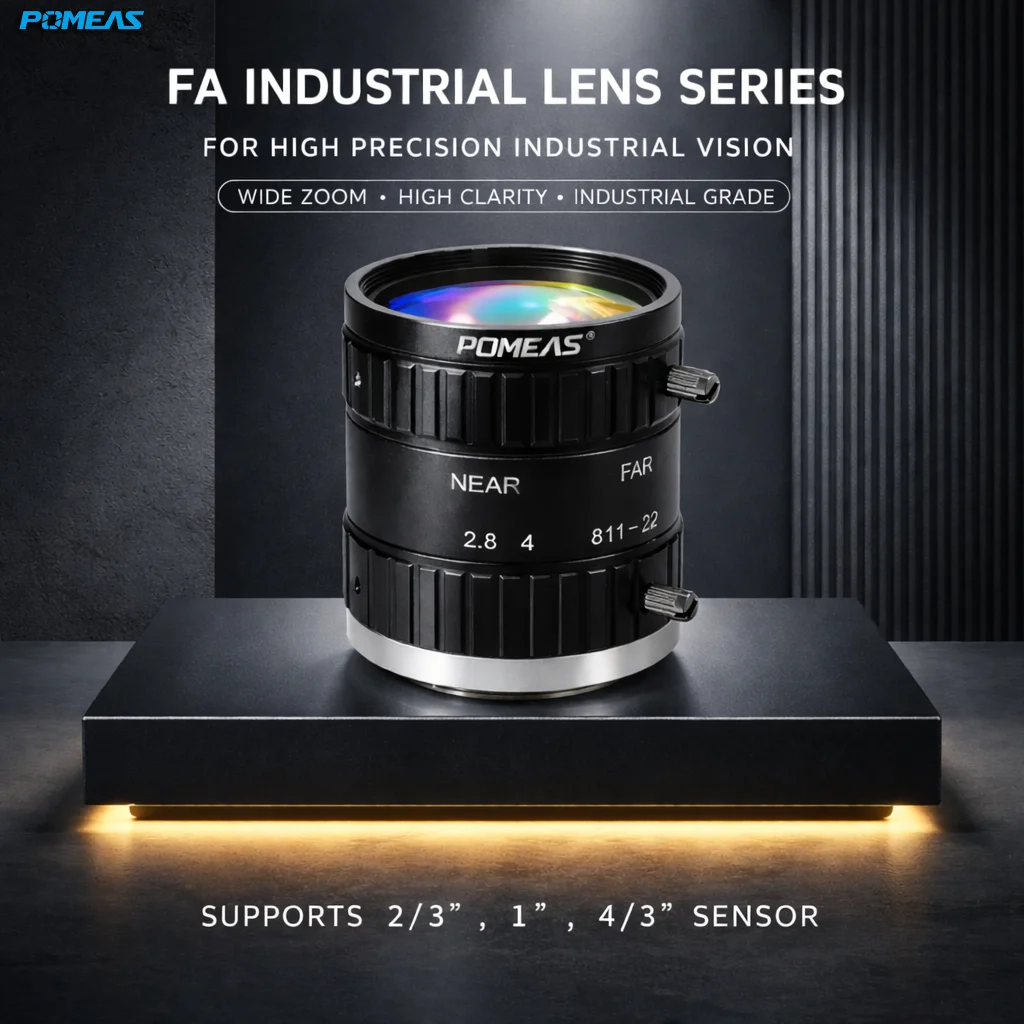
20MP 50mm C-Mount Machine Vision Lens for 1.1-Inch Cameras
20MP 50mm C-mount FA lens for 1.1-inch cameras, with F2.8-F16 aperture, 0.05% distortion and focus/iris locks for inspection.
SKU:
```html
20MP 1.1-INCH FA INDUSTRIAL LENS
20MP 50mm C-Mount Machine Vision Lens for 1.1-Inch Cameras
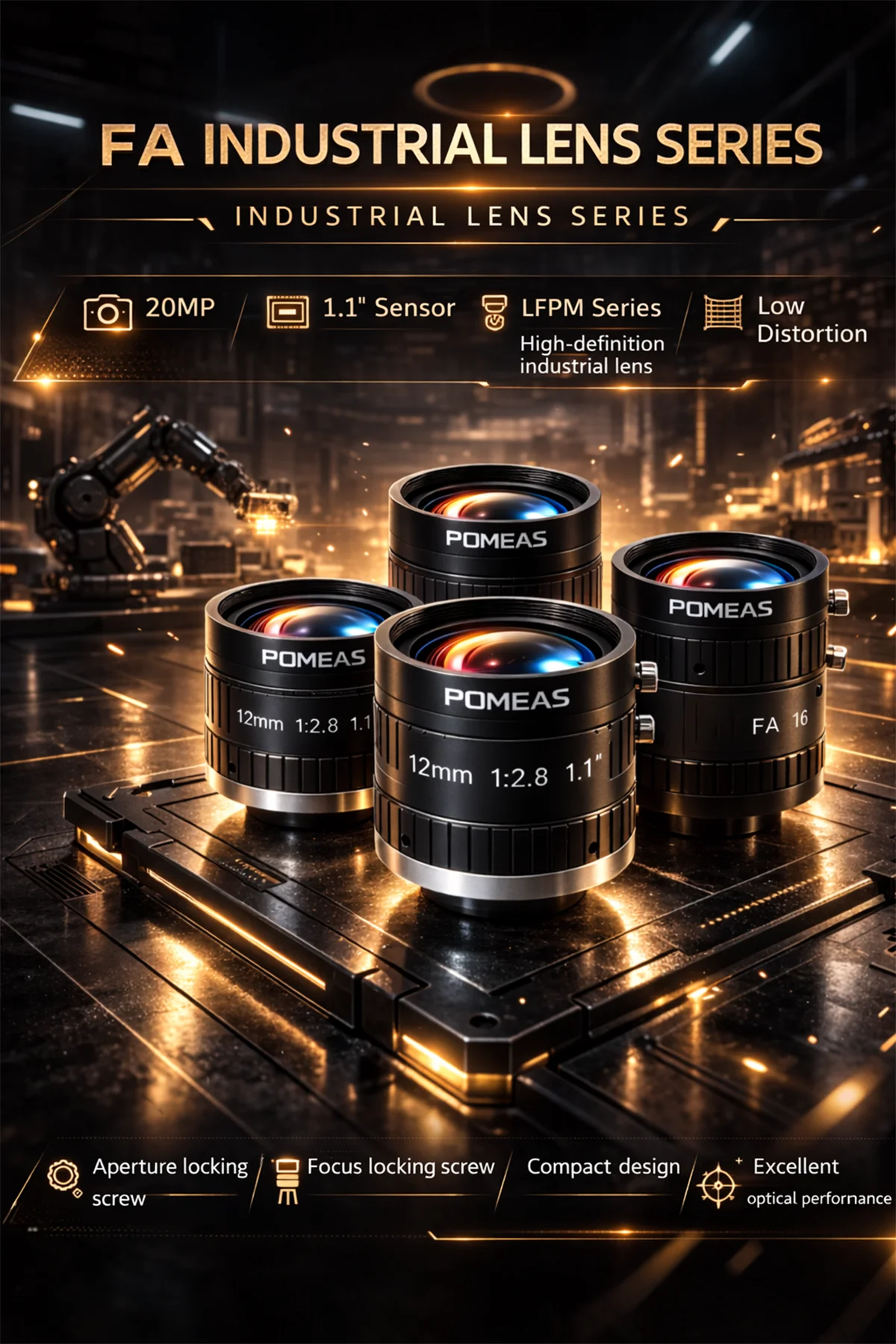
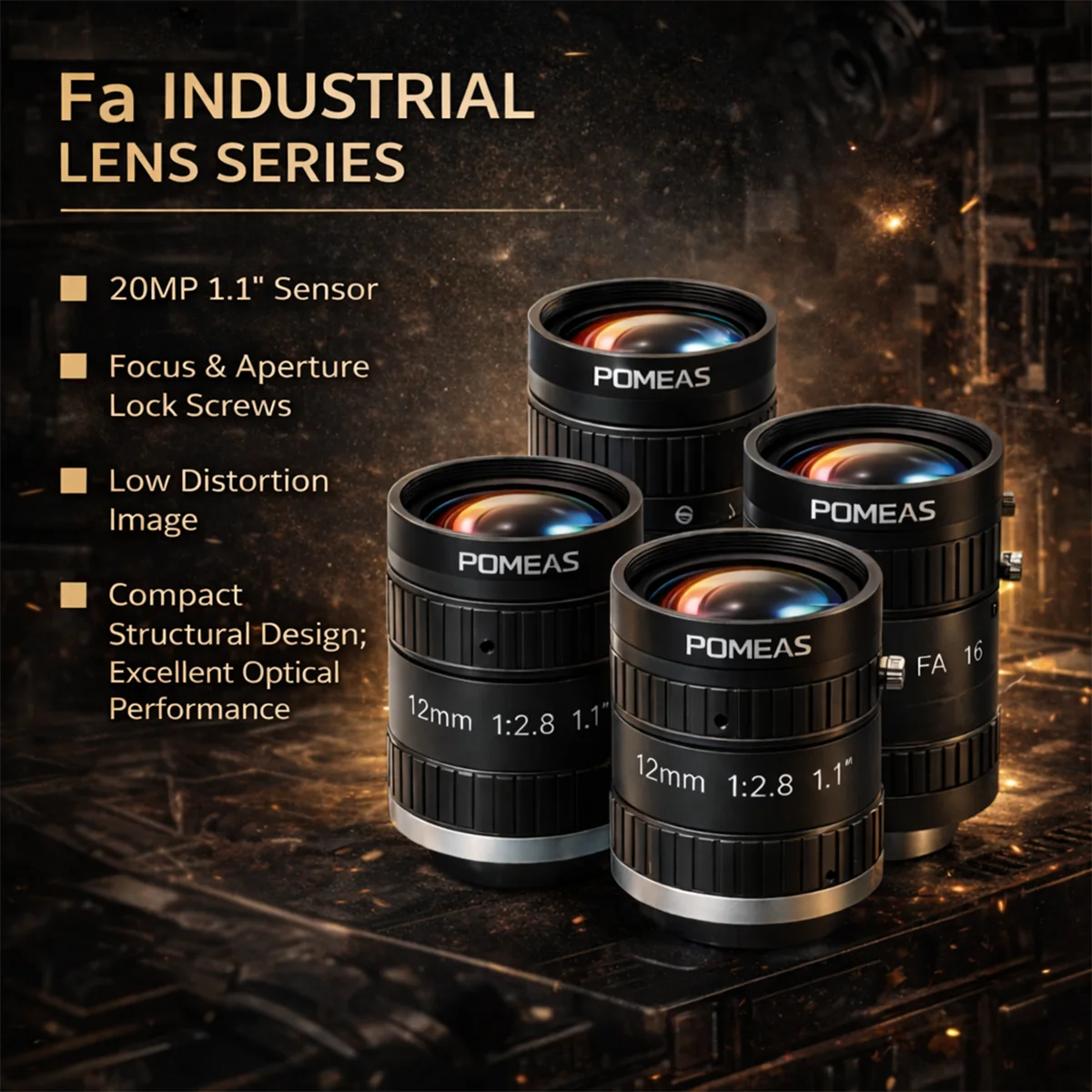
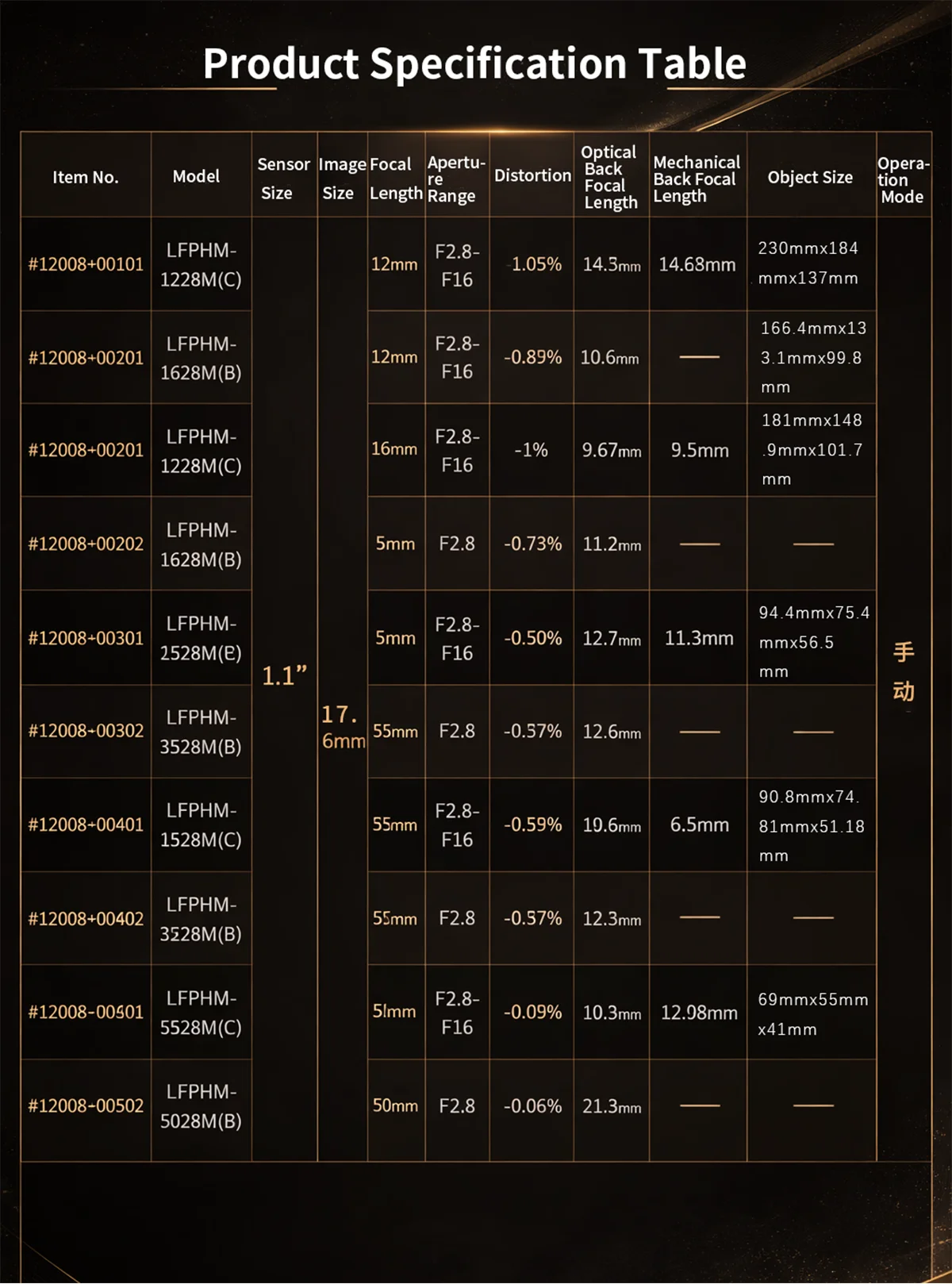
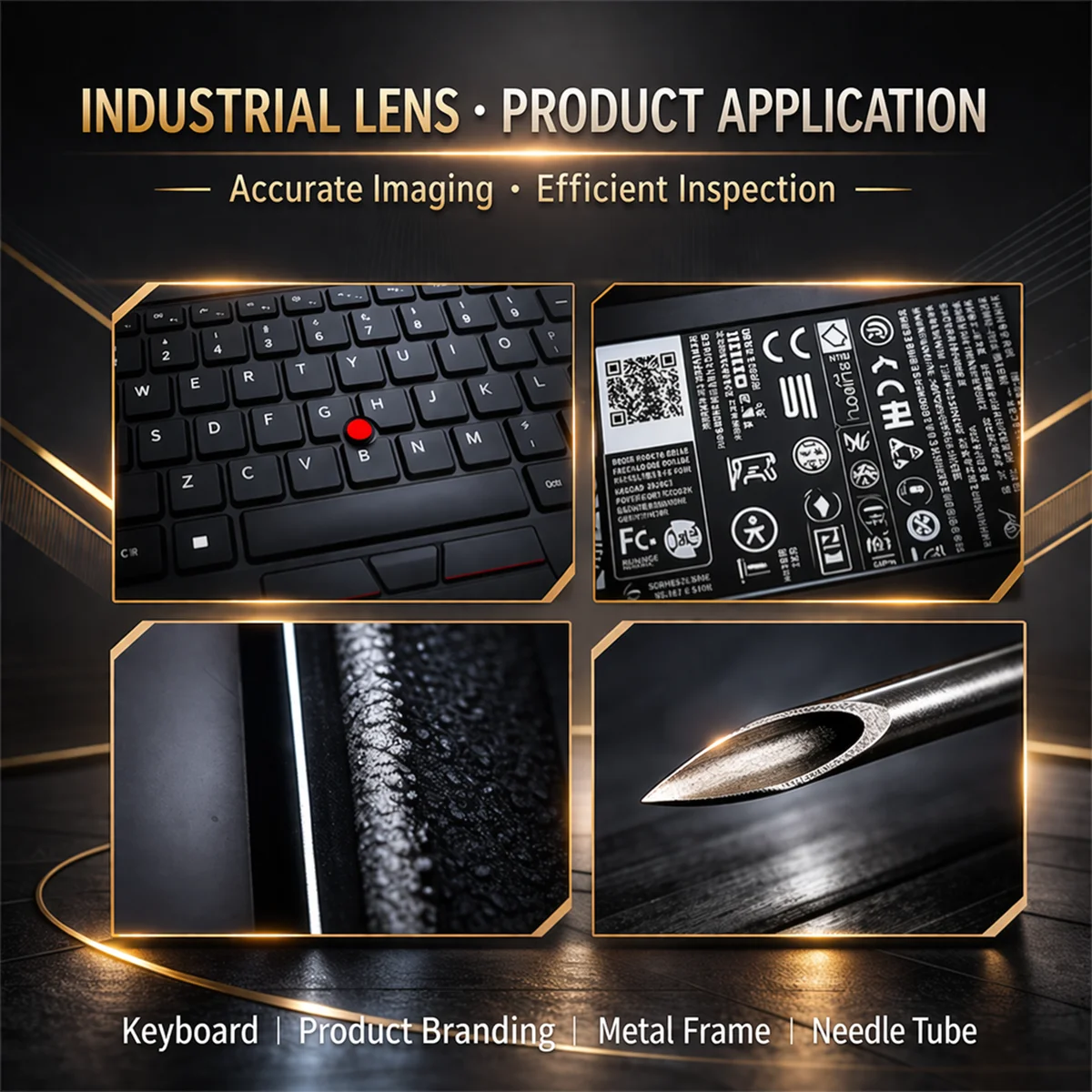
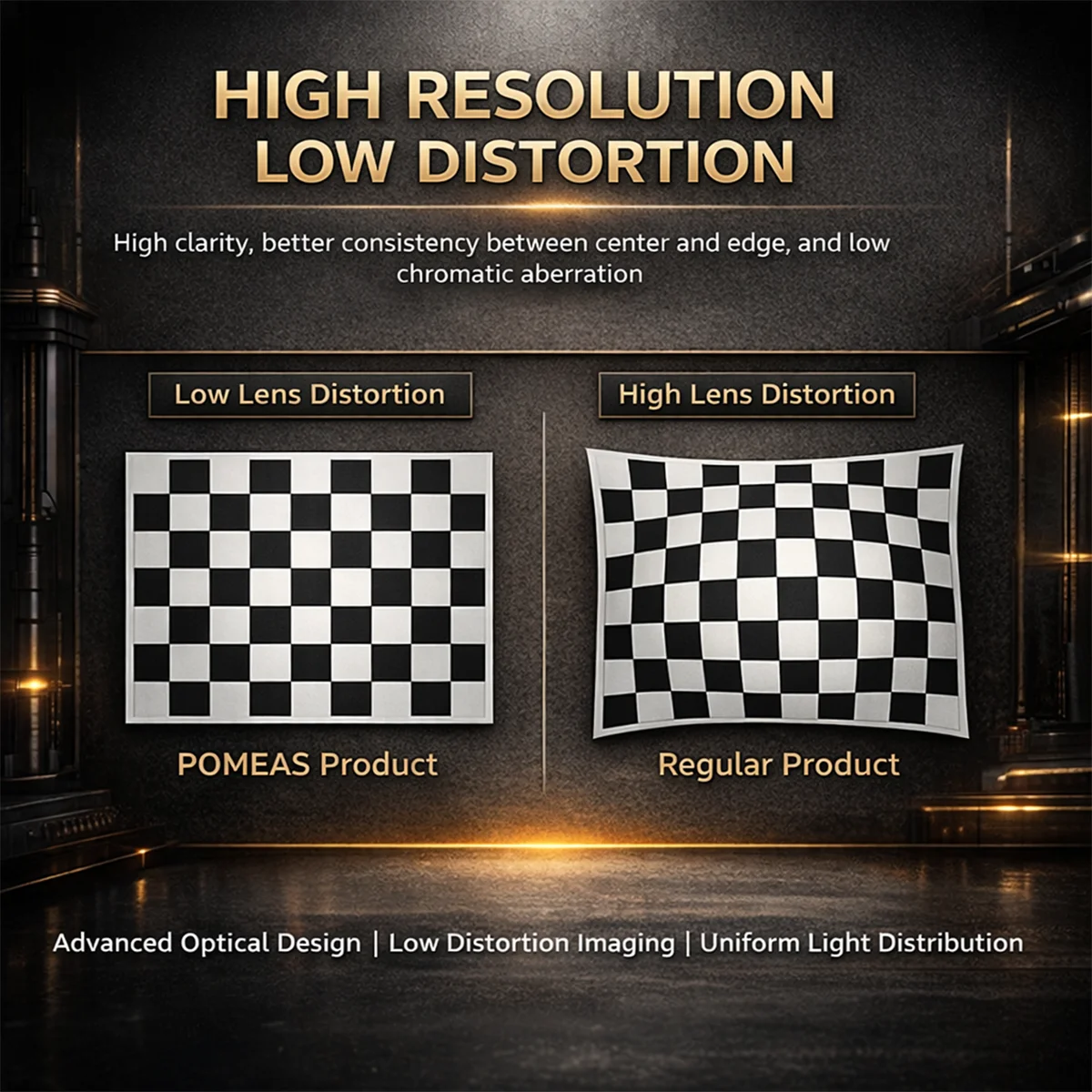
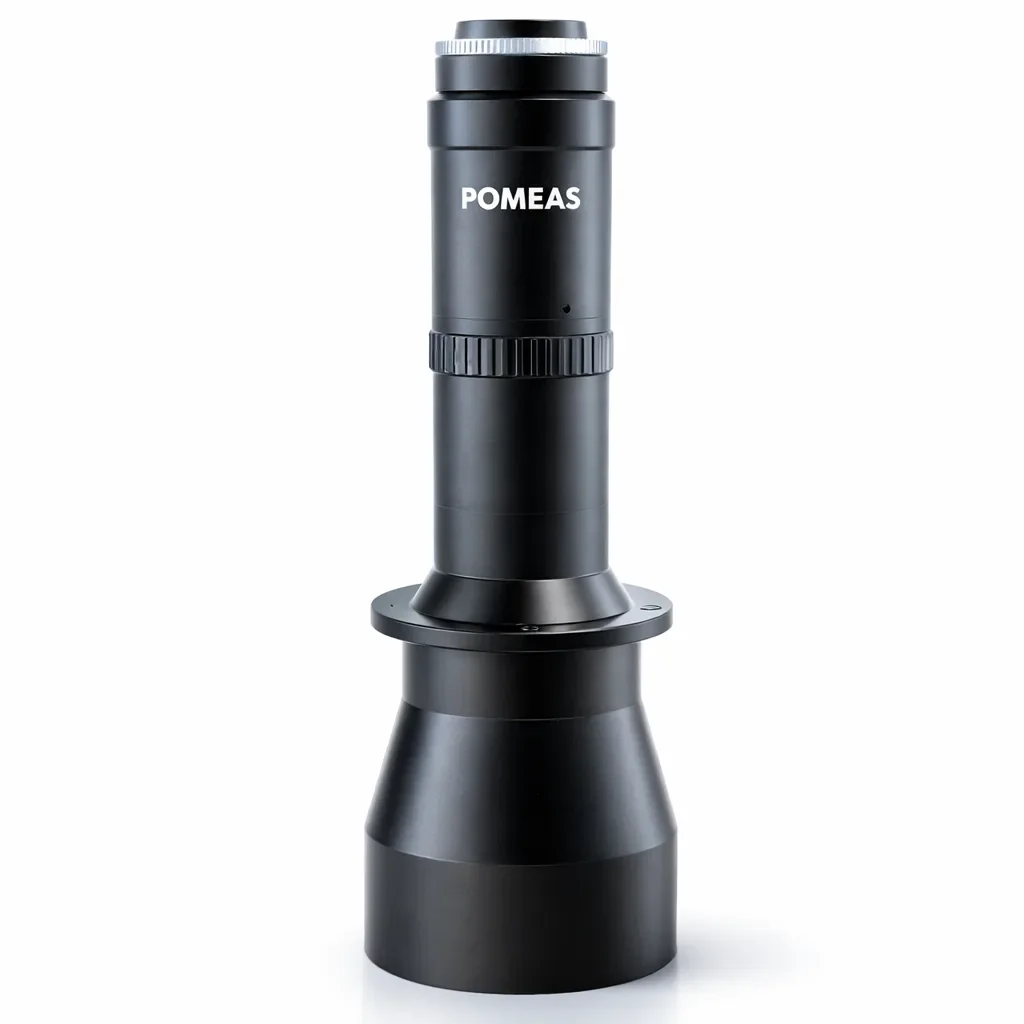
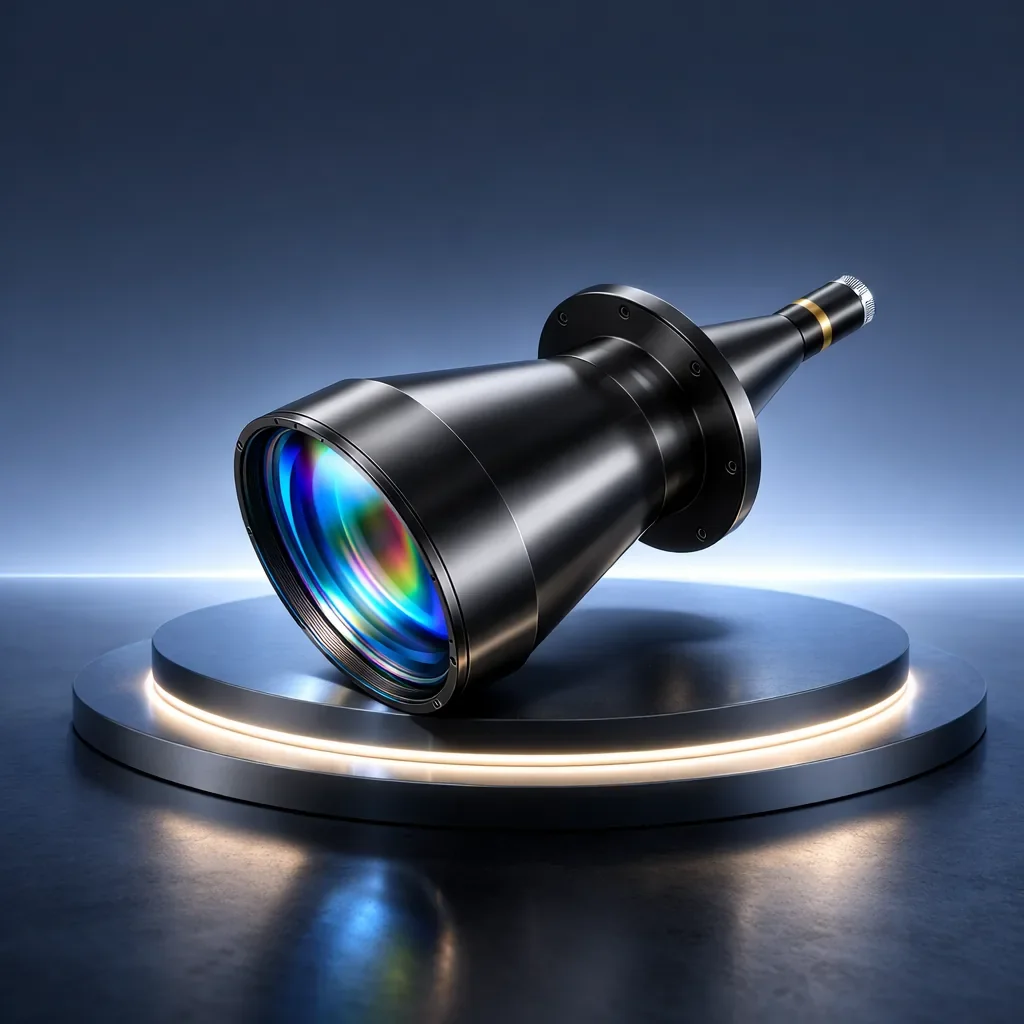
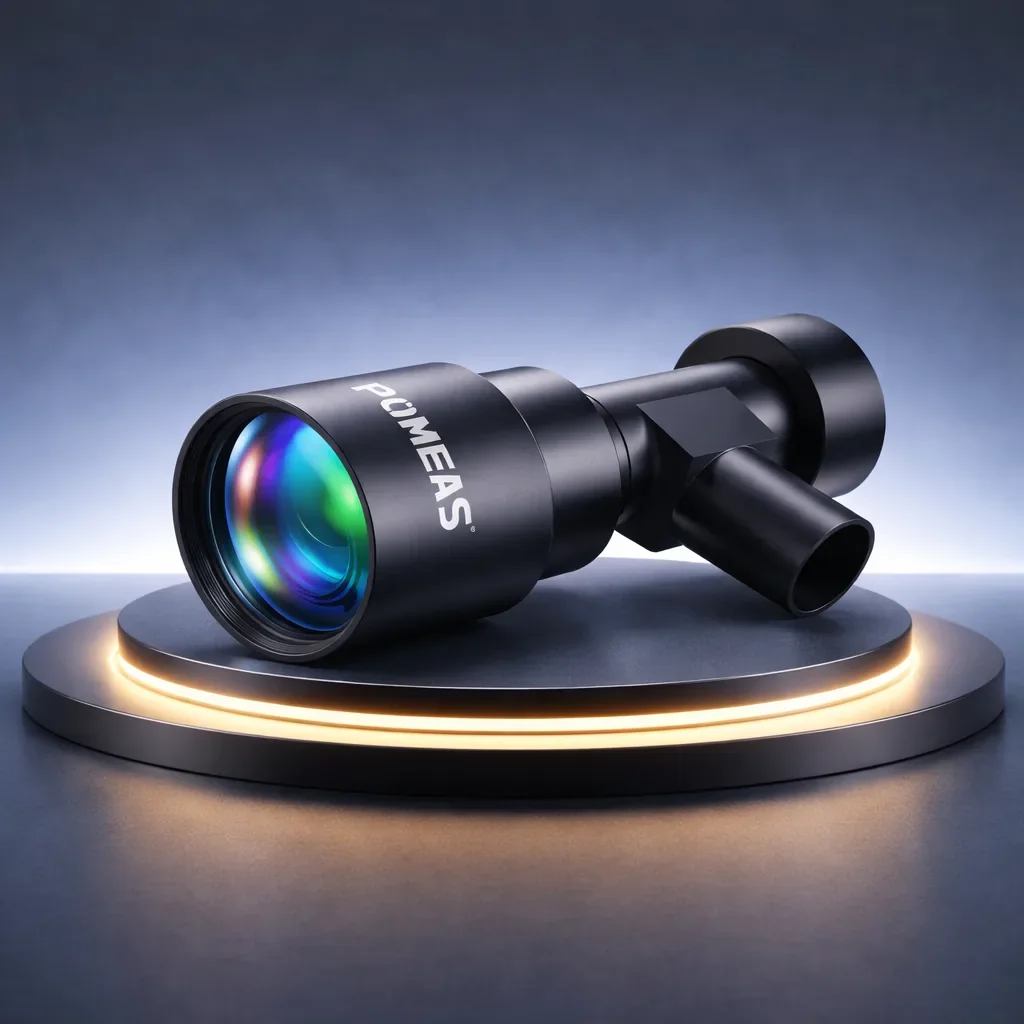
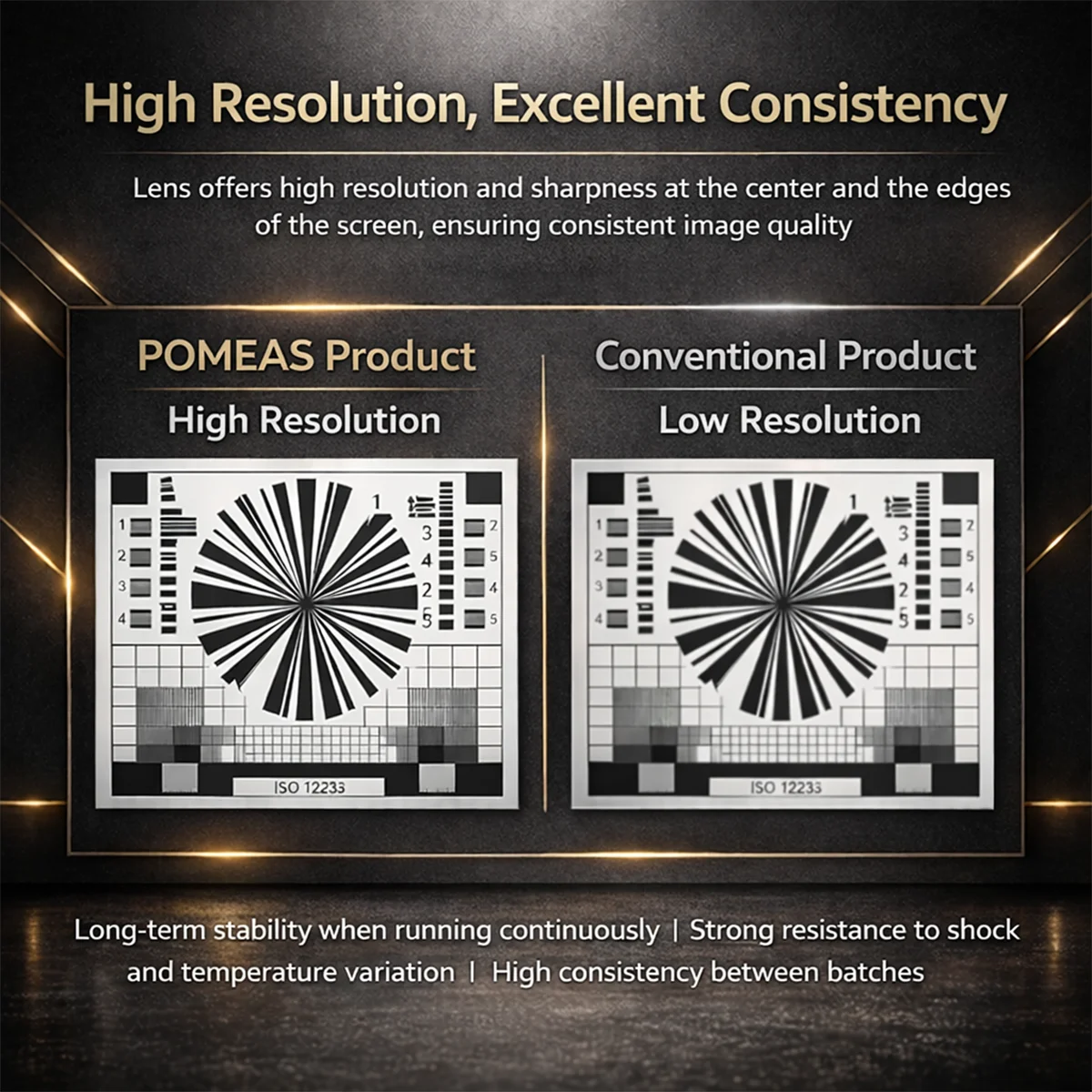 The PMS-LFPHM-5028M(B) is a 50mm fixed focal length machine vision lens designed for industrial cameras with sensor formats up to 1.1 inch. It combines 20MP imaging support, 0.05% specified distortion, multi-layer optical coating, and lockable manual focus and iris controls for stable integration into automated inspection equipment.
This lens is intended for applications that need a narrow field of view, increased target magnification and a longer installation distance than shorter focal lengths such as 25mm or 35mm.
Who Is This 50mm Machine Vision Lens Designed For?
This model is suitable for machine vision system integrators, automation equipment manufacturers and factory vision engineers who need a high-resolution C-Mount lens for narrow-field industrial imaging.
It is a practical candidate when the project requires:
- A 50mm focal length for higher target magnification
- Compatibility with 1.1-inch or smaller industrial camera sensors
- Up to 20MP imaging support
- Manual focus and iris settings that can be locked after setup
- Very low specified distortion for inspection, OCR and positioning
- A compact industrial lens with anti-vibration and impact-resistant design
Why Choose a 50mm Lens for Machine Vision?
Under the same sensor size and working distance, a 50mm lens provides a narrower field of view and greater target magnification than shorter focal lengths such as 25mm or 35mm. This helps smaller defects, characters and component features occupy more camera pixels.
A 50mm focal length can also provide more physical space between the camera and object for lighting, fixtures and mechanical structures. The trade-off is a smaller captured area, so the required field of view must be confirmed before selection.
- Electronic component and connector inspection
- PCB detail and assembly inspection
- Barcode, OCR and printed-mark recognition
- Robot guidance and precision positioning
- Precision metal and molded-part inspection
- Surface inspection over a narrow field of view
For a wider field, compare the 35mm C-Mount FA lens or the 25mm C-Mount machine vision lens. For a narrower field or longer installation distance, review the 75mm C-Mount machine vision lens.
20MP Support for 1.1-Inch Industrial Cameras
A high-resolution industrial camera requires a lens that can transmit sufficient optical detail. If the lens resolution is too low, adding more camera pixels may not improve the actual inspection result.
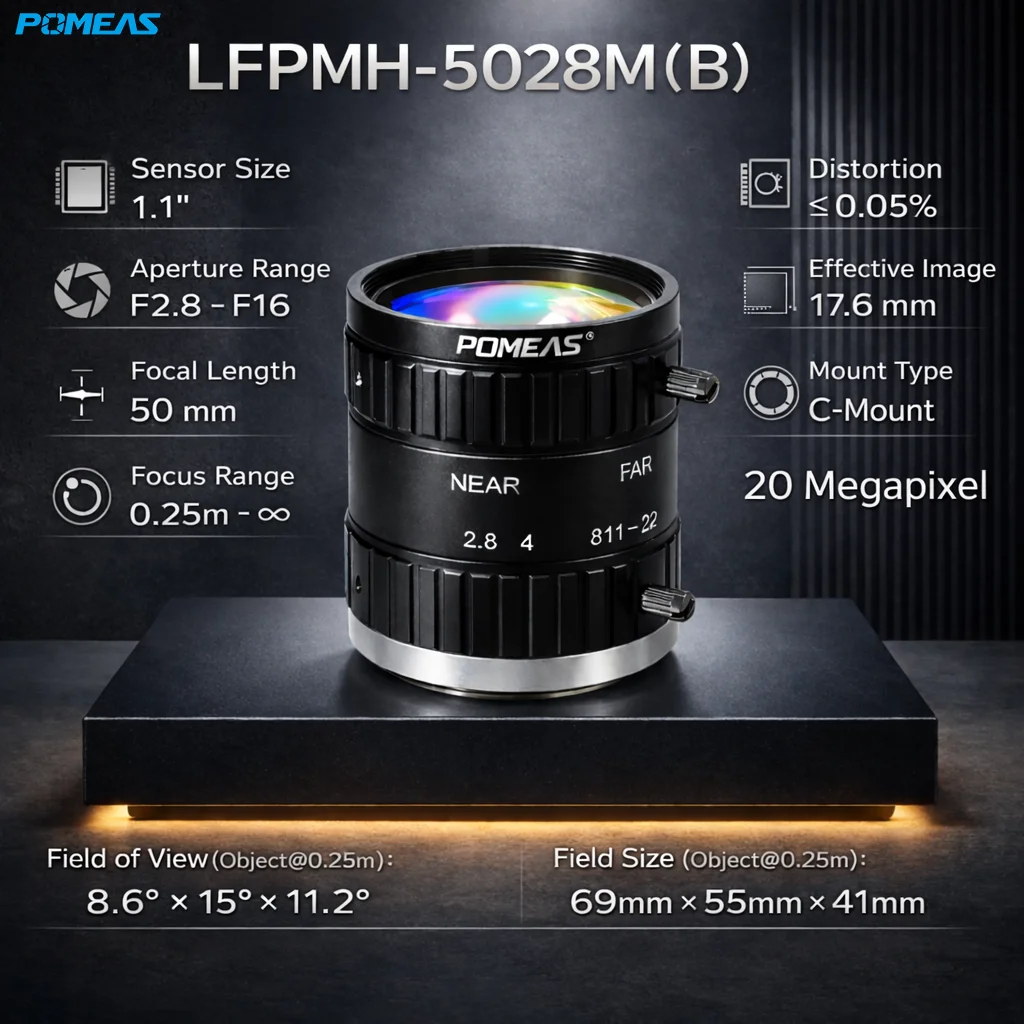
The PMS-LFPHM-5028M(B) is specified for 20MP imaging and a maximum sensor format of 1.1 inch, with an effective image size of 17.6mm. This combination is intended for high-resolution systems that require large sensor coverage and increased target magnification.
Final system performance also depends on camera pixel size, field of view, working distance, object contrast, lighting, exposure time and image-processing settings. Camera-lens compatibility should be verified before production approval.
Reference Field of View at 0.25m Object Distance
The following field-angle and object-field data are specified for a 1-inch sensor at an object distance of 0.25m. The maximum supported sensor format is 1.1 inch, but these values should not be treated as a direct 1.1-inch field calculation.
| Reference Sensor | Object Distance | Field Angle (D × H × V) | Object Field (D × H × V) |
|---|---|---|---|
| 1 Inch | 0.25 m | 18.6° × 15.0° × 11.2° | 69 × 55 × 41 mm |
The actual field of view changes with the camera's active sensor dimensions, working distance and focus position. Provide the exact camera model and required horizontal and vertical field of view before final lens selection.
Very Low Distortion and Multi-Layer Coating
Optical distortion changes the apparent shape and position of features near the image edge. This may affect edge detection, component positioning, OCR, shape analysis and software calibration.
The specified distortion of the PMS-LFPHM-5028M(B) is 0.05% at y=16mm. Its multi-layer optical coating helps improve light transmission, suppress stray light and maintain more balanced illumination from the image center to the edge.
This is a conventional FA lens rather than a telecentric lens. For tight dimensional tolerances or objects with significant height variation, a C-Mount telecentric lens is generally the safer optical solution.
Lockable Focus and Iris for Stable Equipment Setup
The lens provides manual focus and manual iris adjustment, with separate locking mechanisms for both controls. After the image has been adjusted, the locks help reduce unintended changes during equipment operation, transportation or maintenance.
- Focus range: 0.25m to infinity
- Aperture range: F2.8-F16
- Focus control: Manual with locking mechanism
- Iris control: Manual with locking mechanism
- Mount: C-Mount
A wider aperture allows more light into the camera, while a smaller aperture can increase depth of field. The final setting should be selected according to lighting intensity, exposure time, object movement and required image detail.
Technical Specifications
| Model | PMS-LFPHM-5028M(B) |
|---|---|
| Product Type | FA Machine Vision Lens |
| Resolution | 20MP |
| Maximum Sensor Format | 1.1 Inch |
| Effective Image Size | 17.6 mm |
| Focal Length | 50 mm |
| Mount | C-Mount |
| Aperture Range | F2.8-F16 |
| Distortion | 0.05% at y=16 mm |
| Optical Back Focal Length | 10.3 mm in Air |
| Mechanical Back Focal Length | 10.08 mm in Air |
| Focus Range | 0.25 m to Infinity |
| Focus Control | Manual with Locking Mechanism |
| Iris Control | Manual with Locking Mechanism |
| Maximum Barrel Diameter | Ø39 ± 0.05 mm |
| Front Thread | M37 × 0.75-6H |
| Overall Body Height | 52.5 mm |
| Rear Opening Diameter | Ø22.2 mm |
| Weight | 118 ± 5 g |
| Operating Temperature | -30°C to +70°C |
Typical Machine Vision Applications
- PCB and electronic component inspection
- Connector, terminal and assembly inspection
- Barcode, OCR and printed-mark recognition
- Robot guidance and precision component positioning
- Precision hardware and machined-part inspection
- Surface inspection of molded or metal parts
- Small-area defect inspection
- General industrial image acquisition using 1.1-inch or smaller cameras
When This Lens Is a Good Fit
- Your camera uses a C-Mount interface
- Your sensor format is 1.1 inch or smaller
- Your application requires a narrow field and increased target magnification
- Your camera resolution is up to 20MP
- Your working distance is at least approximately 0.25m
- Manual focus and iris adjustment are acceptable
- The system requires locking screws for stable long-term setup
When to Consider Another Lens
- A substantially wider field of view is required
- A still narrower field or greater target magnification is required
- The sensor is larger than 1.1 inch
- The object distance is shorter than the specified focus range
- Motorized focus, autofocus or automatic iris control is required
- Object height variation must not change image magnification
- The project requires high-accuracy dimensional measurement with minimal perspective error
Information Required for Lens Selection
To confirm whether this lens is suitable, please provide:
- Industrial camera model
- Sensor size and active dimensions
- Camera resolution and pixel size
- Required horizontal and vertical field of view
- Available working distance
- Smallest feature or defect to detect
- Required positioning or measurement accuracy
- Object material, color and surface reflectivity
- Lighting type and wavelength
- Available installation space
Manufacturer-Direct Optical and Application Support
POMEAS provides manufacturer-direct communication for optical selection, camera-lens matching, sample evaluation, quality review and repeat-order support. This helps customers evaluate the complete imaging system rather than choosing a lens only by focal length or megapixel rating.
- Direct review of camera, field of view and working distance
- Application-based lens selection before quotation
- Support for camera, lens and lighting coordination
- Sample testing and compatibility verification
- Quality review and batch-consistency communication
- Technical support for repeat-order automation projects
Reduce Selection Risk Before Ordering
Selecting a machine vision lens by focal length alone can result in an incorrect field of view, insufficient sensor coverage or inadequate image sampling. Before ordering, POMEAS can review the camera model, field of view, working distance, smallest feature and inspection accuracy to confirm whether the PMS-LFPHM-5028M(B) is a suitable option.
Frequently Asked Questions
Can this lens support a 1.1-inch industrial camera?
Yes. The specified maximum sensor format is 1.1 inch, with a 17.6mm effective image size. Final edge image quality should still be confirmed with the exact camera model.
Is the published field-of-view data based on a 1.1-inch sensor?
No. The datasheet's field-angle and object-field values are specified for a 1-inch sensor at an object distance of 0.25m.
How does a 50mm lens compare with a 35mm or 75mm lens?
At the same sensor size and working distance, 50mm provides a narrower field and greater target magnification than 35mm, but a wider field than 75mm.
Can the focus and iris settings be locked?
Yes. The lens provides separate manual focus and iris locking mechanisms to help maintain the selected settings after commissioning.
Is this lens suitable for precision dimensional measurement?
It can support general inspection and calibrated measurement tasks, but it is not telecentric. For tight tolerances or objects with height variation, a telecentric lens is usually more appropriate.
Related Machine Vision Lens Resources
Request Lens Selection Support
Send POMEAS your camera model, required field of view, working distance and inspection target. The optical and application team can help verify sensor coverage, image detail and installation suitability before quotation.
``` :::
Related Reading
Related Products

Subscribe to Our Newsletter
Simply enter your email to receive the latest news and insights from Pomeas. Stay connected with Pomeas and be the first to discover new innovations in optical excellence.



1 Files